
How does Gorilla trekking Tour Differ from Wildlife watching in Uganda
Rwenzori expeditions the experts in tailoring Rwenzori Mountaineering adventures has extra Safari addons like the gorilla watching safari, Wildlife game drive and boat cruise within the Wildlife national Parks like Queen Elizabeth National Park, Murchison falls along side the Bwindi Impenetrable National Park the home for the primates ( Mountain Gorillas).
In this write up , the team of Rwenzori Expeditions offers an insight about the experience of Gorilla trekking vs Wildlife watching in Africa while on Uganda Safari tour with local Safari operator.
Why Gorilla Trekking and not Wildlife Watching
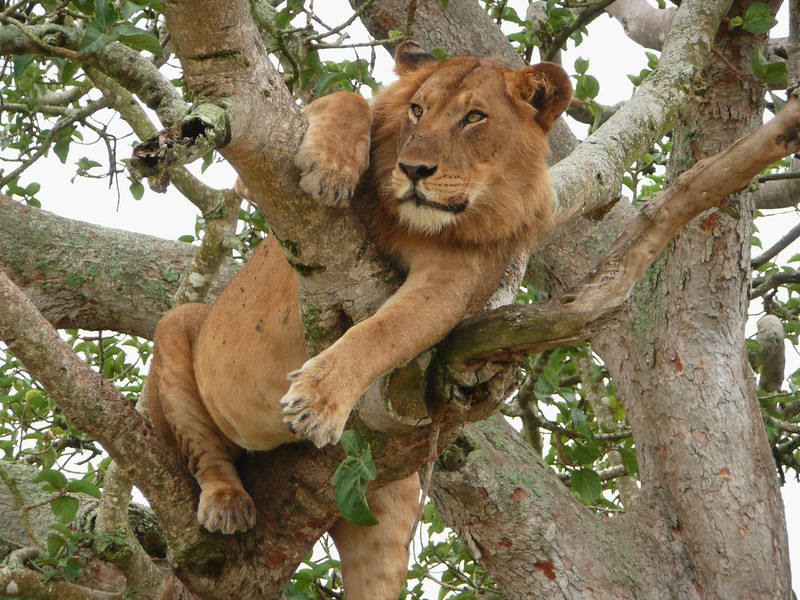 A gorilla trekking safari offers a unique experience compared to a traditional game drive, focusing specifically on observing mountain gorillas in their natural habitat. While a game drive typically involves traveling in a safari vehicle to see a variety of wildlife, such as lions, elephants, and zebras, gorilla trekking requires a more immersive approach. This adventure often includes hiking through dense forests and steep terrains to find and observe these magnificent primates up close.
The goal of gorilla trekking is to spend time with a specific gorilla family, allowing for intimate encounters and opportunities to learn about their behaviour and habitat. In contrast, traditional game drives provide a broader view of wildlife, with the comfort of staying in your vehicle and often covering more ground in a shorter time. Both experiences are incredible but cater to different interests and levels of physical activity.
Wildlife Encounters: Mountain Gorillas vs. Big Game Animals
The most significant difference between a gorilla trekking safari and a traditional game drive lies in the type of animals you encounter and how you interact with them.
- Gorilla Trekking Safari: Gorilla trekking is a once-in-a-lifetime opportunity to observe mountain gorillas in their natural habitat. Mountain gorillas are highly endangered, and you can only find them in a few places in the world, like Uganda, Rwanda, and the Democratic Republic of Congo. You trek through dense forests to find a specific family of gorillas. Once found, you get to spend about one hour observing them up close. Watching these animals in their natural environment is incredibly intimate; you’ll see them feeding, playing, and interacting with each other. They are generally not disturbed by human presence, but they are still wild, so a respectful distance is maintained.
- Traditional Game Drive: On a traditional game drive, you travel in a safari vehicle across open savannahs, forests, or deserts. Game drives typically focus on seeing Africa’s “Big Five“: lions, leopards, elephants, buffalos, and rhinos. The vehicles allow you to cover large areas of the park, increasing your chances of spotting different animals.
The animals are observed from a distance, often within the safety of the vehicle. While encounters can be thrilling, they are less personal and up-close compared to gorilla trekking. You might watch lions hunting or elephants roaming in herds, but it’s generally from a few meters away or more.
Activity Location and Environment
Another major difference is where these activities take place.
- Gorilla Trekking Safari: Gorilla trekking occurs in mountainous, forested regions, such as the Bwindi Impenetrable Forest in Uganda or Volcanoes National Park in Rwanda. These are tropical rainforests with thick vegetation, steep hills, and often muddy trails. The terrain can be challenging, with paths cutting through dense jungle, and the altitude is higher than on a typical game drive. The forest is quiet, except for the sounds of wildlife, and it feels very remote and isolated.
- Traditional Game Drive: Game drives typically take place in savannahs, grasslands, or woodlands in places like the Serengeti in Tanzania, Masai Mara in Kenya. The landscape is often flat or gently rolling, with wide-open spaces that make it easier to spot animals from a distance. Game drives are usually on well-established roads or dirt tracks, making it a more comfortable and less physically demanding experience compared to gorilla trekking.
Physical Demands
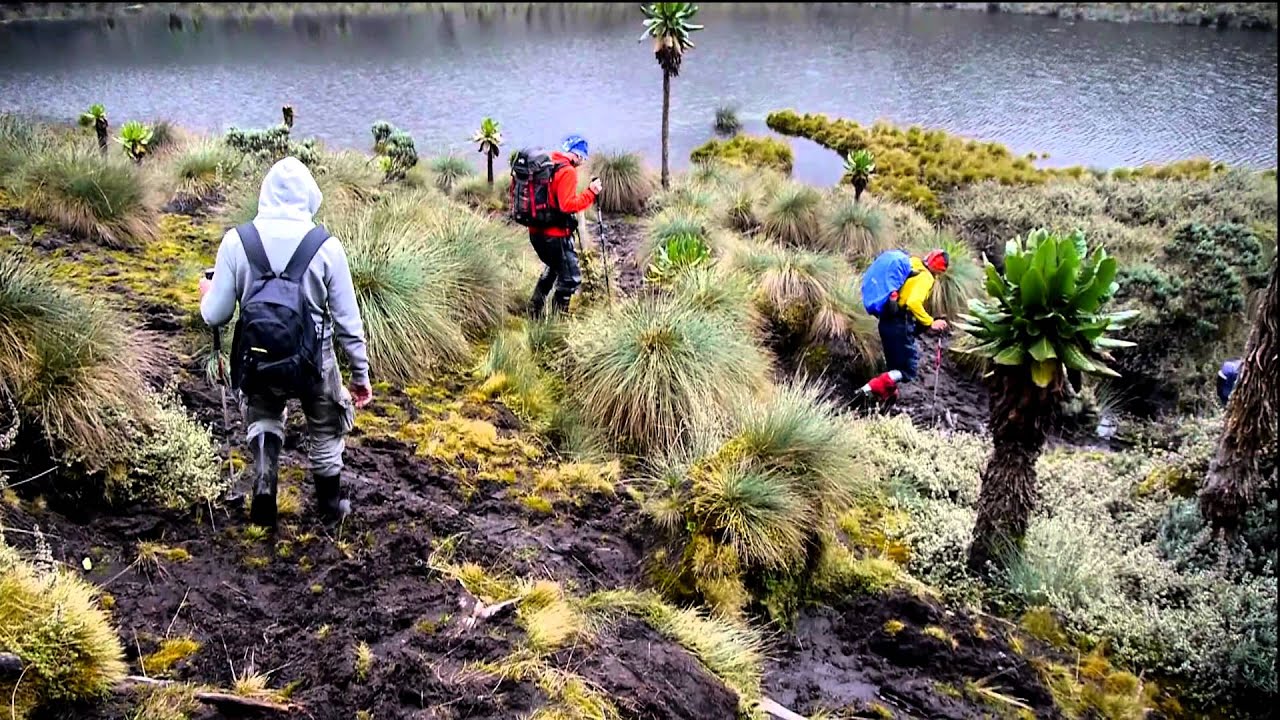 As rwenzori hikers know that Mountaineering requires a lot of strength when it comes to trekking Rwenzori Mountains which is more demanding than Mount Kilimanjaro Trek yet its a different story on Gorilla trekking and Wildlife watching in Uganda.
The physical demands of a gorilla trekking safari and a traditional game drive are also very different.
- Gorilla Trekking Safari: Gorilla trekking is physically demanding. You may need to hike for 1-6 hours (or more) before you even see the Mountain gorillas, depending on where they are located that day. The trek involves navigating steep slopes, uneven terrain, thick vegetation, and possibly muddy or slippery paths. The altitude can also make breathing more difficult, especially if you are not used to it. Trekking can be tiring, but the reward of seeing gorillas in their natural habitat makes it worth the effort. A reasonable level of fitness is required for this activity.
- Traditional Game Drive: A traditional game drive is much more relaxed and requires minimal physical effort. You spend most of your time sitting in the safari vehicle, which drives you around the park. Game drives usually last for several hours, but you can sit back and enjoy the scenery as your guide takes care of navigating the park. While you might get out of the vehicle at specific stops (like a viewpoint or a picnic area), there’s no strenuous activity involved.
Group Size and Experience
Like the case for Rwenzori Mountaineering tour that we only take 24 paxs a day due to limited accommodation in the Rwenzori Mountains same applied to gorilla watching in Uganda or Rwanda or Congo. The experience of gorilla trekking and a game drive differs in terms of how many people are involved and how the wildlife is observed.
- Gorilla Trekking Safari: Gorilla trekking is a small-group experience. Park authorities usually limit group sizes to around 8 people per gorilla family for trekking yet 4 paxs on Gorilla Habituation , ensuring that the impact on the gorillas is minimized. This makes the experience feel personal and quiet, as fewer people are involved, and there is less noise to disturb the animals. The close proximity to the gorillas, along with the small group size, creates a sense of exclusivity and intimacy.
- Traditional Game Drive: Game drives can vary in group size depending on the vehicle and the type of safari. Some vehicles hold 4-6 people, while larger vehicles may accommodate 8-10 passengers. Since you are in an open landscape, multiple vehicles may be around when popular animals like lions or elephants are spotted. Sometimes, this can result in crowding around a single animal, which can take away from the sense of wilderness and solitude.
Costs of Gorilla Trekking & Wildlife Watching
 The costs of a gorilla trekking safari and a traditional game drive vary significantly.
- Gorilla Trekking Safari: Gorilla trekking is typically more expensive than a traditional game drive due to the permit fees required to visit the gorillas. In Uganda, Rwanda, and the Democratic Republic of Congo, permits can cost between $400 to $1,500 USD per person, depending on the country and season. These fees go towards conservation efforts to protect the endangered gorillas and their habitat. In addition to the permit, you’ll need to factor in the cost of accommodation, guides, transportation, and sometimes porters to help carry your gear during the trek.
- Traditional Game Drive: A traditional game drive is usually more affordable than gorilla trekking. Most game parks charge an entrance fee, which ranges from $40 to $150 USD per day, depending on the park. You will also need to pay for the vehicle, guide, accommodation, and meals, but the overall cost tends to be lower compared to gorilla trekking.
Duration of the Experience
The time spent with the wildlife during a gorilla trek and a game drive differs.
- Gorilla Trekking Safari: While the trek to find the gorillas can take several hours, once you locate them, you are only allowed to spend one hour with the gorillas. This limit is imposed to minimize human impact on the animals. Although the hour passes quickly, it is a highly concentrated experience because of the closeness and direct observation of the gorillas.
- Traditional Game Drive: Game drives usually last for several hours, either in the morning or late afternoon when animals are most active. You may spend 3-5 hours or more driving around the park in search of animals. The experience is more spread out over time, with breaks between animal sightings. You can also go on multiple game drives during your safari, giving you more time to explore the park and see different species.

Final Remarks by Rachael Alex
As the expert in tailoring primate Safaris within Uganda, Rwanda and Congo, Alex remarks are focused to guide travelers planning Rwenzori Trekking to consider add on for memorable vacation within East Africa once you get in touch with the local Team of Rwenzori Expeditions.
A gorilla trekking safari and a traditional game drive offer unique wildlife experiences in Africa. Gorilla trekking provides an intimate, physically demanding adventure where you can observe endangered mountain gorillas up close, while a traditional game drive allows for a more relaxed exploration of various animals in their natural habitats. When deciding between the two, consider your interests, physical abilities, budget, and the type of experience you seek. Both options offer unforgettable memories of Africa’s incredible wildlife.